


PTFE tape can withstand temperatures ranging from -400 degree F to 500 degree F (-240 degree to 260 degree ). PTFE has a high melting point of about 327 degree , but it begins to deteriorate when temperatures rise above 200 degree to 260 degree . The minimum safe operating temperature of PTFE tape is about -200 degree , while the upper limit of heat resistance is often around +260 degree . High-density PTFE tapes can withstand temperatures ranging from -200 degree to +260 degree , while lower-density tapes cannot withstand such high temperatures.
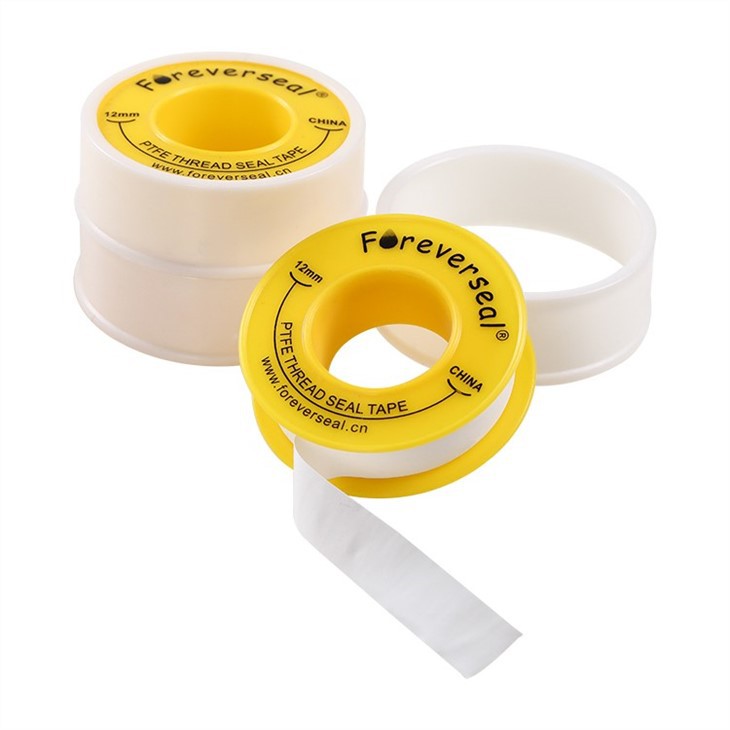

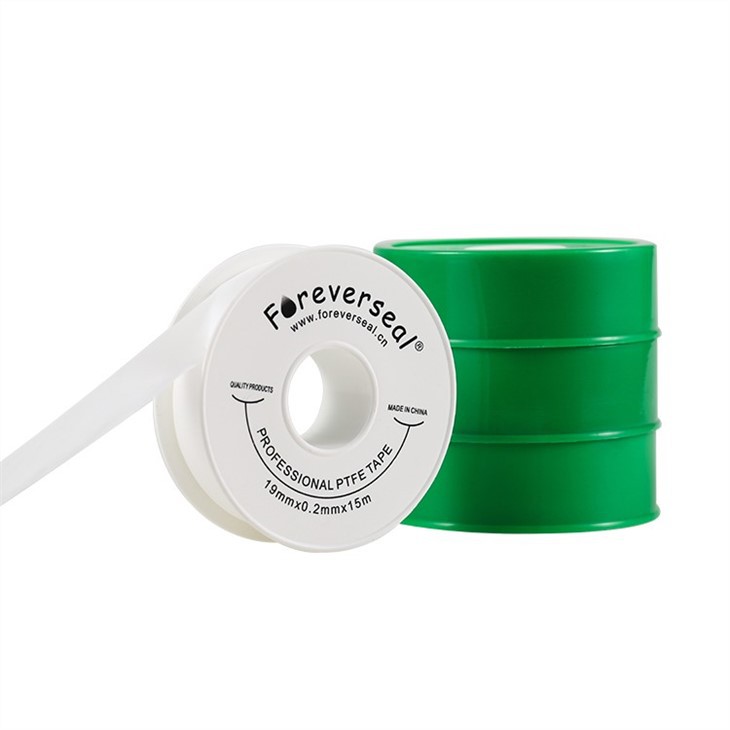

1. First, clean the threads of the pipe joint where the PTFE tape will be applied. Existing pipes may have traces of dirt, rust, grease, or other pipe sealants from previous use. With brand new lengths of conduit, the threads may not have been thoroughly cleaned after machining, which means there may be metal shavings or factory oil present that will negatively affect the integrity of the seal formed. You may need specialized products, such as industrial-strength pipe cleaners, to completely remove some stubborn or harsh solvents and grease
2. Allow the cleaned fitting threads to dry thoroughly before attempting any further handling of them. This can usually be achieved with careful use of paper towels, but if possible it's wise to leave them outside to air dry completely. Either way, you have to make sure there are no beads of water trapped in even the tightest channels between or around the threads that will fit together
3. Once the fitting is completely dry, you can begin wrapping the threads with PTFE sealing tape. Start a line from the open end, this will prevent any scraps of cut material from entering the pipe. Wrap in the same direction of descent as the threads, back toward the pipe. This is key to preventing unwanted twisting, such as tape bunching or unraveling when opposite ends of a joint come together.
4. As you work your way down the line, you should overlap the layers of tape by about half the width to ensure full coverage all around. Although some deformation of the material between the threads helps create a tighter seal, be careful to avoid using too much, as excessive deformation can cause problems. When wrapping, pull tight enough to maintain enough tension so that the thread maintains clearly visible ridges even through thicker or more opaque tape varieties
5. Continue in this manner until the end of the last thread reaches approximately one full turn. Finish the final wrap by cutting and gluing the final length of loose tape, making sure nothing is improperly adhered and the cut end presses smoothly and seamlessly against the rest of the wrap
PTFE tape forms a tight-fitting skin or seal around the threads of various joint types in ductwork and pipes.


